
Quick Answer: If your saddle pad has lost cushioning, no longer fits properly, retains excessive moisture, develops persistent odors, or causes uneven sweat patterns, it may be time for a replacement. However, proper cleaning and maintenance can often restore performance and extend the life of your saddle pad.
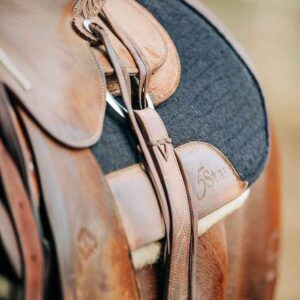
Your saddle pad is one of the most important pieces of equipment between your horse and saddle. It helps absorb shock, distribute pressure, wick away moisture, and keep your horse comfortable during every ride. Even the highest-quality saddle pads eventually wear out, but proper care and maintenance can significantly extend their lifespan.
Knowing when a saddle pad truly needs to be replaced versus when it simply needs cleaning can save money while helping your horse stay comfortable and perform at their best.
Signs Your Saddle Pad May Need Replacing
1. The Pad Has Lost Its Cushioning and Shock Absorption
One of the primary jobs of a saddle pad is to absorb shock and protect your horse’s back from the weight and movement of the saddle.
Over time, lower-quality pads can become compressed and lose their ability to provide adequate cushioning. If your saddle pad feels noticeably thinner, harder, or flatter than when it was new, it may no longer be providing the protection your horse needs.
Excessive compression can allow more pressure from the saddle to reach your horse’s back, potentially leading to soreness, discomfort, and reduced performance.
2. The Pad No Longer Fits Your Horse Properly
A saddle pad should work together with your saddle and your horse’s conformation to provide even contact and pressure distribution.
If your pad has stretched, become misshapen, or developed uneven wear patterns, it may no longer fit correctly. A pad that has lost its shape can create pressure points, bunching, or movement under the saddle.
Watch for signs such as:
- Uneven sweat patterns
- Wrinkles or bunching under the saddle
- Difficulty keeping the saddle properly positioned
- Visible distortion in the contour of the pad
3. Visible Wear and Damage
Inspect your saddle pad regularly for signs of excessive wear.
To determine when to replace a saddle pad, look for:
- Torn or worn wear leathers
- Frayed edges
- Cracks or splits
- Holes in the wool or outer materials
- Significant thinning in high-pressure areas
While minor cosmetic wear may not affect performance, substantial damage can compromise the pad’s ability to protect your horse and may indicate it’s time for replacement.
4. The Pad Doesn’t Recover After Cleaning
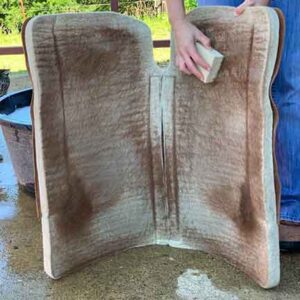
Many riders assume a saddle pad needs replacing when it simply needs a thorough cleaning.
Over time, sweat, dirt, hair, and debris become trapped within the fibers of the pad. This buildup can reduce breathability, increase odor, and make the pad appear worn before its time.
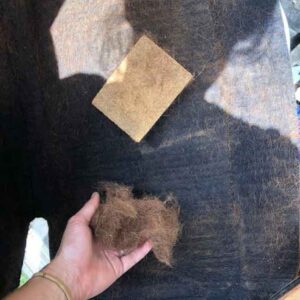
The 5 Star Dry Cleaning Sponge is an excellent tool for routine maintenance. It quickly removes embedded horse hair, dried sweat, dirt, and debris without damaging the wool fibers. Regular use after each ride can help maintain the appearance and performance of your saddle pad.
For deeper cleaning, the 5 Star Saddle Pad & Tack Cleaner is specifically formulated for wool, mohair, leather, tack, boots, and blankets. The pH-balanced enzyme and microbial formula helps break down sweat, dirt, and odor-causing contaminants while preserving the integrity of natural fibers.
To Deep Clean a Wool Pad:
- Fill a container large enough to submerge the pad.
- Add 6-8 ounces of 5 Star Saddle Pad & Tack Cleaner.
- Allow the pad to soak for approximately 24 hours.
- Rinse thoroughly.
- Air dry completely before use.
If a properly cleaned pad still feels excessively compressed, misshapen, or uncomfortable for your horse, replacement may be necessary.
How Long Should a Saddle Pad Last?
The lifespan of a saddle pad depends on several factors, including:
- Riding frequency
- Horse and rider weight
- Saddle fit
- Proper cleaning and maintenance
- Quality of materials
High-quality wool felt saddle pads can last for many years when properly cared for. Regular maintenance can dramatically extend the life of your investment and help ensure consistent performance.
Extend the Life of Your Saddle Pad
Before replacing your saddle pad, make sure you’re following a regular maintenance routine:
- Remove dirt and hair after each ride using a dry cleaning sponge.
- Allow the pad to air dry completely after use.
- Deep clean regularly with a cleaner designed for wool and tack.
- Store the pad in a dry, well-ventilated area.
- Use a 100% wool liner when appropriate to help reduce wear and keep your saddle pad cleaner.
A simple system of routine cleaning with the 5 Star Dry Cleaning Sponge, regular deep cleaning with 5 Star Saddle Pad & Tack Cleaner, and the use of a wool liner can significantly extend the life of your saddle pad.
Final Thoughts
A saddle pad is one of the hardest-working pieces of equipment in your tack room. Even the highest-quality pad will eventually show signs of wear, compression, and reduced performance. However, many pads are replaced prematurely simply because they haven’t been properly maintained.
Regular cleaning, proper storage, and routine inspections can help you get the most life out of your saddle pad while keeping your horse comfortable. When a pad no longer provides the fit, protection, moisture management, and support your horse needs, even after proper cleaning and care, it’s time to consider a replacement.
For more information on When to replace a saddle pad or How to properly clean and care for your saddle pad click here>>.